Smiling woman
book

Common skin problems in menopause and their solutions


5 minutes to read

This article is intended for information purposes only and does not constitute or replace advice from a medical professional.


Hormone changes during menopause can have a big impact on your body, including your skin. You may notice your skin feels drier or flakier than usual, or maybe itching at night is a recurring problem for you. It may not be immediately obvious, but these skin problems are directly related to menopause or perimenopause. Read on to find out more about skin problems in menopause and how to treat them. We’ll also answer commonly asked questions like “Does menopause itching go away?”


Understanding skin problems in menopause

Skin problems in menopause are caused by your body’s declining oestrogen levels. Oestrogen is the hormone responsible for regulating your skin health. It does this by stimulating the production of natural oils that keep your skin moisturised and collagen that maintains your skin's strength and elasticity. So, when these collagen and oil levels begin to drop during menopause, it causes your skin to become drier and thinner than before and can leave it feeling itchy. Menopause can also cause new skin conditions to arise, or skin problems from childhood, like eczema, to return. You may also notice changes in your skin quality, such as sagging or wrinkling, and changes in skin texture, like dryness or flakiness. Add excessive sweating at night or hot flushes into the mix, and this can cause further moisture loss and irritation to your skin.


The problem: dryness and itching

Dry, itchy skin is the most common skin change women experience during menopause. Oestrogen helps to hydrate your skin with 4 natural substances: ceramides, sebum, hyaluronic acid and collagen. When your oestrogen levels drop, your skin struggles to make these hydrators and, therefore, finds it harder to hold onto water, leaving it feeling dry and itchy. Formication is another cause of menopausal skin itching. Increased anxiety levels can cause histamine to be released in your body. This can cause a creeping sensation like insects on your skin. 

Relief strategies for dry and itchy skin

  • Keep showers and baths short and cool. Showering with water that’s too hot or for too long will dry your skin more. 
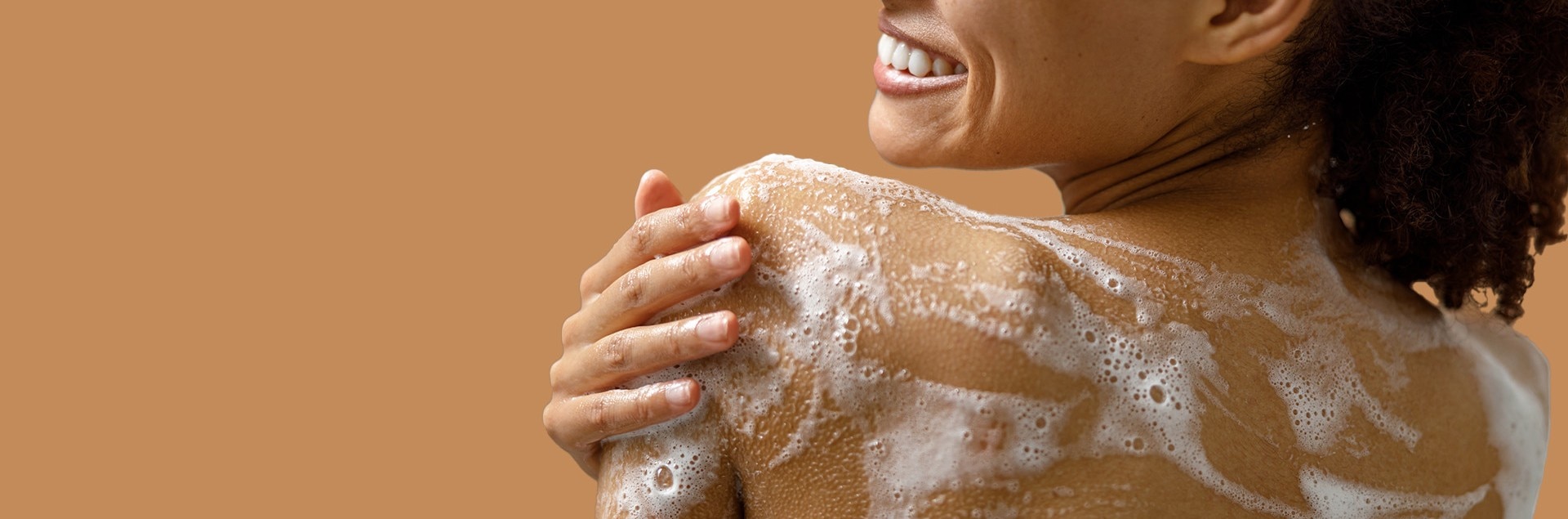
  • Create a skincare routine for mature skin. Avoid skincare products with harsh ingredients that can dry and irritate your skin further, like soap, sulphates, fragrance, alcohol and artificial colours. Sanex Expert Skin Health+ Menopause Body Wash instantly soothes and reduces tightness in both menopausal and perimenopausal skin, leaving it smooth and visibly hydrated. 
  • Moisturise your skin within 3 minutes of drying after showering to lock in as much moisture as possible. Body lotions that contain ceramides are great for strengthening your skin barrier. 

The problem: rashes and irritation

As you get older, the pH levels of your skin can change. This can cause your skin to become more sensitive and prone to developing a menopause skin rash or irritation. Existing skin conditions like eczema or rosacea could also intensify or return at this time. You may also notice your underarms become more irritated due to increased sweating with hot flushes and night sweats. 

Relief strategies for menopause skin rash or irritation

  • Use an antiperspirant made for menopausal skin. Sanex Derma Care+ Antiperspirant Roll-on or Spray Deodorant is non-irritating* and suitable for sensitive skin. It delivers protection against body odour changes, hot flushes and night sweats, helping you to stay fresh and dry.  
  • Use fragrance-free and pH-balanced skincare and shower products. 
  • Try to minimise sweating as much as possible by wearing loose clothing and breathable fabrics like cotton and linen. 
  • Don’t shave areas that are already irritated. This will allow your skin to recover without causing more friction.
  • Cutting down on alcohol, caffeine and spicy food can help with rosacea flare-ups. 
  • Protect your skin in the sun by wearing SPF50 every day on your face and any other areas of exposed skin.

Other common menopause skin problems

Along with itching and irritation, you may also develop the following menopause skin conditions:

  • Sensitivity
  • Thin, delicate skin that is more prone to bruising
  • Wrinkles, sagging and volume loss
  • Breakouts or acne
  • Facial hair growth 
  • Flushing or rosacea

Tips for menopause skin conditions

Small changes to your skincare routine and lifestyle can have a big impact on your skin health. Here are some tips you can use every day that can help with menopause skin problems:

  • Replace soap and harsh body washes with gentle cleansing products that use naturally-derived ingredients, respect your pH level and nourish your skin. 
  • Moisturise your face and body twice a day, if possible. 
  • Protect your skin from the sun with SPF50, even when it’s overcast. 
  • Keep your body hydrated by drinking around 2 litres of water every day. 
  • Avoid smoking and drinking alcohol as much as possible. These habits can age and dry your skin even more. 
  • Follow a regular sleep schedule and try to minimise stress as much as possible. 
  • If acne, eczema or rosacea are a problem, speak to your doctor about solutions.

FAQs

Here are the answers to some commonly asked questions about menopause skin issues and how to treat them:

Does menopause itching go away?

Skin problems in menopause can start in perimenopause and continue for years. Try out home remedies like skincare and lifestyle changes to see if they help. If the problem is affecting your daily life, speak to your doctor about solutions.  

What are the most common menopause skin problems?

Menopause skin problems can include dry and itchy skin, redness and flushing, spots and acne, sun damage, bruising or delicate skin and wrinkles and loss of definition. 

What remedies are most effective for issues like itchy armpits?

For itchy armpits, eliminate any new triggers, like deodorant or body wash, and keep the area cool and dry after showering. Use a soothing body lotion that contains ceramides to strengthen your skin barrier and stop shaving for a while until your skin recovers. 

*Does not contain ethanol.


Products

Shop the solution


LATEST ARTICLES

If you're interested in learning more