Menopause itchy skin: causes, symptoms and relief
book

Menopause itchy skin: causes, symptoms and relief


5 minutes to read

This article is intended for information purposes only and does not constitute or replace advice from a medical professional.


Menopause and itchy skin: a complete guide to causes and relief

Your body goes through a lot of changes during menopause, but one of the most unexpected changes is how it can affect your skin, both on your face and the rest of your body. Itchy skin during menopause is a common complaint, as changing hormone levels can have an impact on your skin, often leaving it feeling tight or itchy. Read on to find out more about what causes itchy skin in menopause, the most common areas affected and how to treat menopause itchy skin at home with over-the-counter remedies.


What causes itchy skin in menopause?

During menopause, you may experience hot flushes, excessive sweating and, more unexpectedly, itchy skin on your body (medically known as pruritus). This is due to your body’s declining oestrogen levels. Oestrogen is the hormone in charge of regulating your skin health. It does this by stimulating the production of natural oils that keep your skin moisturised and collagen that maintains your skin's strength and elasticity. So, when these collagen and oil levels drop during menopause, it causes your skin to become drier and thinner than before and can leave it feeling itchy.

Along with itching, you may notice other skin symptoms, including:

  • Dry patches
  • Skin rash
  • Bumps on the surface of your skin
  • Redness

Common areas affected by menopause itchy skin

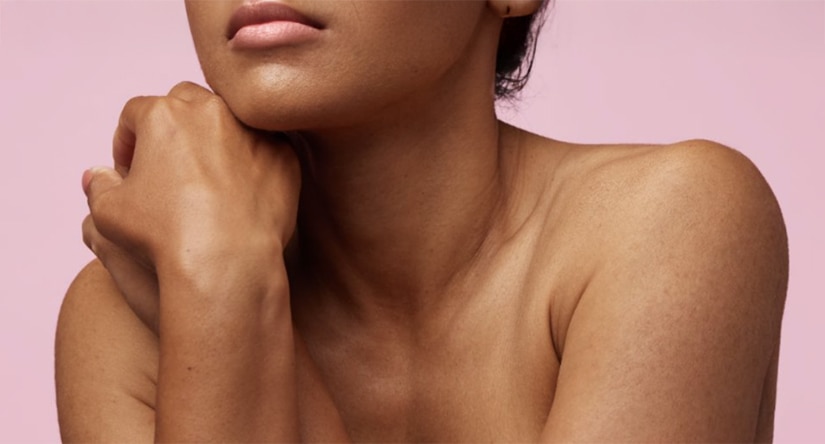
Itchy skin in menopause can affect any area of your body, but it’s most likely to occur on your face, neck, arms, chest and back. These areas can be more prone to dryness or irritation due to how thin the skin is on these areas and the fact that they’re often more exposed to the elements. The decrease in your body’s natural oils and collagen levels will also affect these areas more. Try to track when your skin is most itchy and note the areas affected. Is it during the night? Does your skin feel more irritated with the friction of clothing or after using certain skincare products? Realising what triggers your itching can help when trying to treat the problem.


How to treat menopause itchy skin

Here are some tips on how to treat menopause itchy skin at home, along with some lifestyle changes you can make and over-the-counter solutions that may help.

Lifestyle changes and natural remedies for itchy skin during menopause

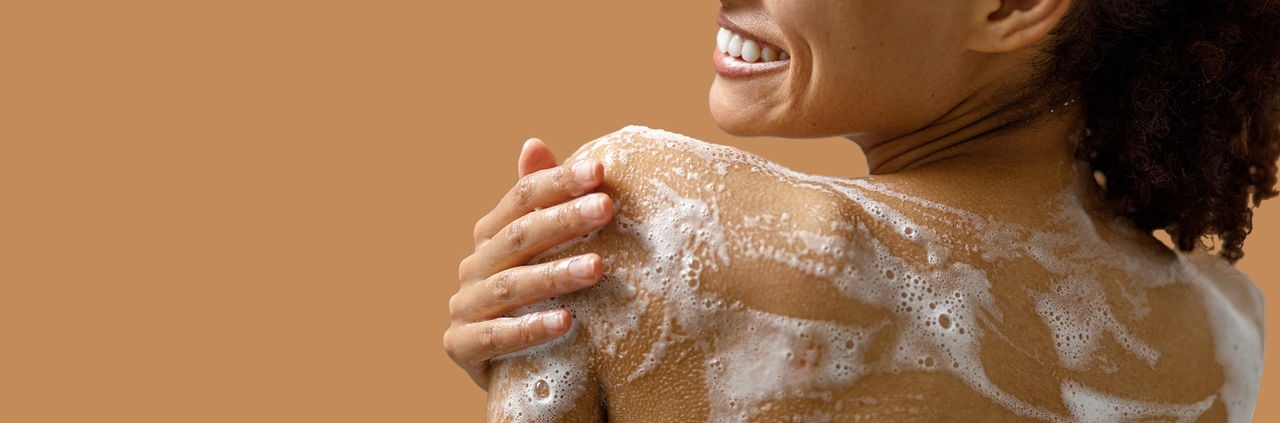
  • Take lukewarm showers or baths; overly hot water can leave menopausal skin feeling dry and flaky. Bathe or shower for no longer than 15 minutes.
  • Avoid harsh body washes and soaps; the best shower gel for menopause skin uses ingredients of natural origin and is free from sulphates. Sanex Skin Therapy Anti-Itchiness Shower Oil is free from fragrance and colourants and has been specially created to reduce irritation and leave your skin feeling nourished.
  • For skincare, use gentle cleansers and moisturisers that contain ceramides and hyaluronic acid. Avoid anything that will strip your skin’s natural oils, like exfoliants or foaming cleansers.
  • Eat a healthy diet including lots of fruits, vegetables and whole foods. Focus on foods that include fatty acids and antioxidants.
  • Foods rich in vitamin E can boost skin health, like avocado, almonds, hazelnuts and pine nuts.
  • Prevent dehydration in menopause by drinking plenty of water throughout the day. Try to drink two litres per day.
  • Use a humidifier in your room at night. This will help to add some moisture back into the air.
  • Use a cool compress or a cool gel pack to soothe areas during a flare-up.

Over-the-counter solutions and creams

  • Anti-itch creams (or topical corticosteroids) can help to relieve the itch and reduce inflammation.
  • Antihistamine pills or creams help to reduce itchiness from allergies, but may also help itchy skin in menopause.
  • Lotions that contain menthol ingredients or aloe vera can help to soothe your skin.
  • A mild steroid cream from the pharmacy can be used on inflamed skin for a few days, but this remedy is not for long-term use.

When should you see a doctor?

If you’ve tried out natural remedies for itchy skin during menopause and the problem is impacting your daily life, you can make an appointment to see your doctor. They may prescribe hormone replacement therapy (HRT), which can help with menopause symptoms. However, HRT isn’t suitable for everyone, so speak to your doctor about whether this could be a good option for you.

If you have a persistent rash, lump or swelling, it could be a sign of something more serious, so, in this case, don’t hesitate to contact your doctor.


FAQs

Here are the answers to some commonly asked questions about menopause itchy skin and how to treat it:

Can menopause cause itchy skin all over your body?

Yes, menopause can cause itchy skin all over your body. You may notice it in particular on your face, neck, arms, chest and back. Your scalp and elbows may also be prone to itchiness.

What is the best lotion for menopausal dry skin?

The best lotion for menopausal dry skin is perfume and fragrance-free, and suitable for dry, sensitive skin. Look for ingredients like aloe vera and coconut oil that are known to soothe skin.

How long does itchy skin last in menopause?

If left untreated, itchy skin in menopause can persist for years. However, with proper skin care and by following our tips above, you can help to reduce this uncomfortable symptom. If your symptoms become unbearable, speak to a pharmacist or make an appointment to see your doctor.




Products

Shop the solution


LATEST ARTICLES

If you're interested in learning more