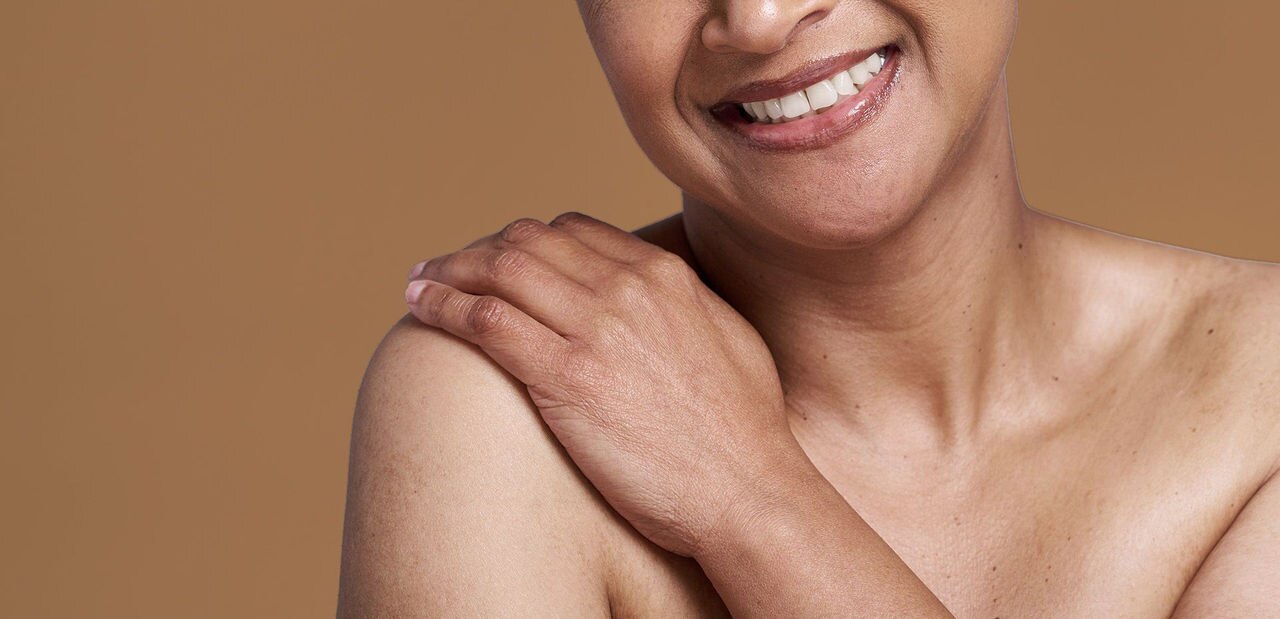
Smiling woman
book

From perimenopause to post-menopause: adapting your skincare for dry skin


5 minutes to read

This article is intended for information purposes only and does not constitute or replace advice from a medical professional.


Menopause marks the day when it’s been 12 months since your last period. The time before this is known as perimenopause, and after is known as post-menopause. It’s a time of transition; along with your periods stopping, your body goes through many changes due to changing hormones, and you may end up experiencing skin problems that you haven’t dealt with before. Read on to find out more about the best perimenopausal skin care products and how to care for post-menopausal dry skin.


Understanding the menopausal skin journey

During perimenopause, your hormones begin to fluctuate. Oestrogen levels drop, and you may experience other symptoms of perimenopause like hot flushes, poor sleep quality and brain fog. Your skin is often affected at this time, as oestrogen is the hormone in charge of keeping your skin healthy. With less oestrogen, your body’s collagen and sebum levels also decline, leaving your skin feeling dry and uncomfortable. As you progress into post-menopause, these hormone levels drop further, and you may need to take steps to alter your skin care routine and make changes to your lifestyle that will benefit your skin.

Hormonal shifts and their impact on skin hydration 

When oestrogen levels drop, your skin isn’t able to produce the same volume of natural skin hydrators like collagen, ceramides, sebum and natural hyaluronic acid. Without these hydrators, your skin barrier becomes compromised, making it less effective at holding moisture in and keeping irritants out. This results in skin that feels dry, tight or easily irritated, even if you’ve never struggled with your skin before.


Recognising perimenopause skin symptoms

Along with perimenopause dry skin, here are some skin changes you may experience during this time that carry through to post-menopause:

  • Dry or flaky skin
  • Itching and tightness 
  • Skin sensitivity
  • A dull or uneven complexion
  • Thinner skin
  • More oily skin, breakouts or acne
  • Hyperpigmentation
  • Fine lines, wrinkles and skin sagging

Essential skin care for post-menopausal skin

How you treat your skin during this time can make a big difference to how it feels. Post-menopausal skin care products focus on hydrating and nourishing your skin with ingredients that leave your skin feeling soft and healthy. Below, you’ll find some tips for a post-menopause skin care routine you can follow every day, and some lifestyle changes you can make that will help to support skin hydration. 

Adapting your routine for day and night

A great post-menopause skin care routine will focus on hydration, nourishment and protection during the day, and replenishment and rejuvenation in the evening. This routine is also suitable as a perimenopause skin care routine.

AM

  • In the morning, use a gentle cleanser that won’t strip your skin of natural oils and cause it to become even drier. Skip foaming cleansers and focus on cleansing balms or cream products.
  • A hyaluronic acid serum can help to add much-needed moisture back into your skin. As it’s a humectant, hyaluronic acid can deeply hydrate your skin, add plumpness and help with fine lines. 
  • Lock in hydration with a light moisturiser, especially one that contains ceramides, peptides, antioxidants or natural ingredients like shea butter. 
  • Complete your morning routine by wearing SPF50 on your face and neck every day to protect your skin from harmful UV rays.

PM

  • In the evening, cleanse your skin as normal, then use serums to target any specific skin issues like breakouts or hyperpigmentation. A retinol serum is great for improving skin texture and minimising fine lines. However, retinol can be drying, so be sure to follow this step with a replenishing moisturiser and wear SPF the next day. 
  • Using a gentle exfoliator once or twice a week can help to remove dead skin cells and improve brightness. 
  • Don’t forget your body! Showering in the evening can benefit post-menopause dry skin and soothe it before bed. Use a gentle body wash and avoid harsh ingredients like sulphates and fragrance. Sanex Expert Skin Health+ Menopause Body Wash instantly soothes and reduces tightness in both menopausal and perimenopausal skin, leaving it smooth and visibly hydrated. 
  • After showering, pat your skin dry with a soft towel and use a nourishing body lotion within 3 minutes of drying to lock in as much moisture as possible. 

Lifestyle tips for supporting skin hydration

  • Eat a diet that focuses on whole foods, fruits and vegetables. Foods that are high in antioxidants and Omega-3 can promote skin health. This includes foods like salmon or oily fish, walnuts, berries and chia seeds. 
  • Focus on hydrating fruits and vegetables like cucumber, celery, watermelon and strawberries that contain high volumes of water.
  • Drink plenty of water to keep your body hydrated from the inside out. This will help to prevent dehydration. Don’t feel like you have to gulp down a whole glass; sipping on water often is a better method to stay hydrated. 
  • Carry a water bottle with you during the day or keep a jug of water on the table at mealtimes.
  • If the weather is hot or you’ve been exercising, prioritise drinking more.
  • Use a humidifier in your room at night. This will help to add some moisture back into the air.

FAQs

Here are the answers to some commonly asked questions about perimenopause dry skin and post-menopausal skin care:

What’s the difference between perimenopause and post-menopausal dry skin?

Perimenopausal and post-menopausal dry skin are both caused by a decline in oestrogen levels. Oestrogen drops at a faster rate once you hit menopause, so you may notice your skin feels even more dry, itchy or tight than it did during perimenopause. 

Which post-menopausal skin care products are considered “must-haves”?

Some of the skin care ingredients that can help to nourish and hydrate post-menopausal skin include hyaluronic acid, ceramides, peptides, niacinamide, vitamin C and retinol. Introduce new products into your routine slowly and stop use if you have any adverse reactions. 

What lifestyle changes can significantly enhance a post-menopausal skin care routine?

Following a balanced, healthy diet, drinking lots of water and using gentle, nourishing skin care products on your face and body every day can help to keep your skin feeling good during and after menopause. Follow our skin care and lifestyle tips above to enhance post-menopausal skin.





Products

Shop the solution


LATEST ARTICLES

If you're interested in learning more