Book icon

How to shower to maintain personal hygiene & smell good


3 minutes to read


Thought all showers were created equal? Think again. From the ideal water temperature to the products to wash your body with and the habits to avoid, read on to discover the importance of personal hygiene, along with tips on how to shower properly and how to smell good.


What is personal hygiene, and why is it important?

Good personal hygiene means keeping your body clean and looking after yourself with daily habits. This can include things like showering every day, brushing your teeth twice a day and washing your hands after using the toilet. Having good personal hygiene helps prevent you from getting sick often and stops the spread of germs that can cause diseases and infections. It can also increase your self-esteem, which has a positive impact on your mental wellbeing, and can make you feel better about the day ahead.


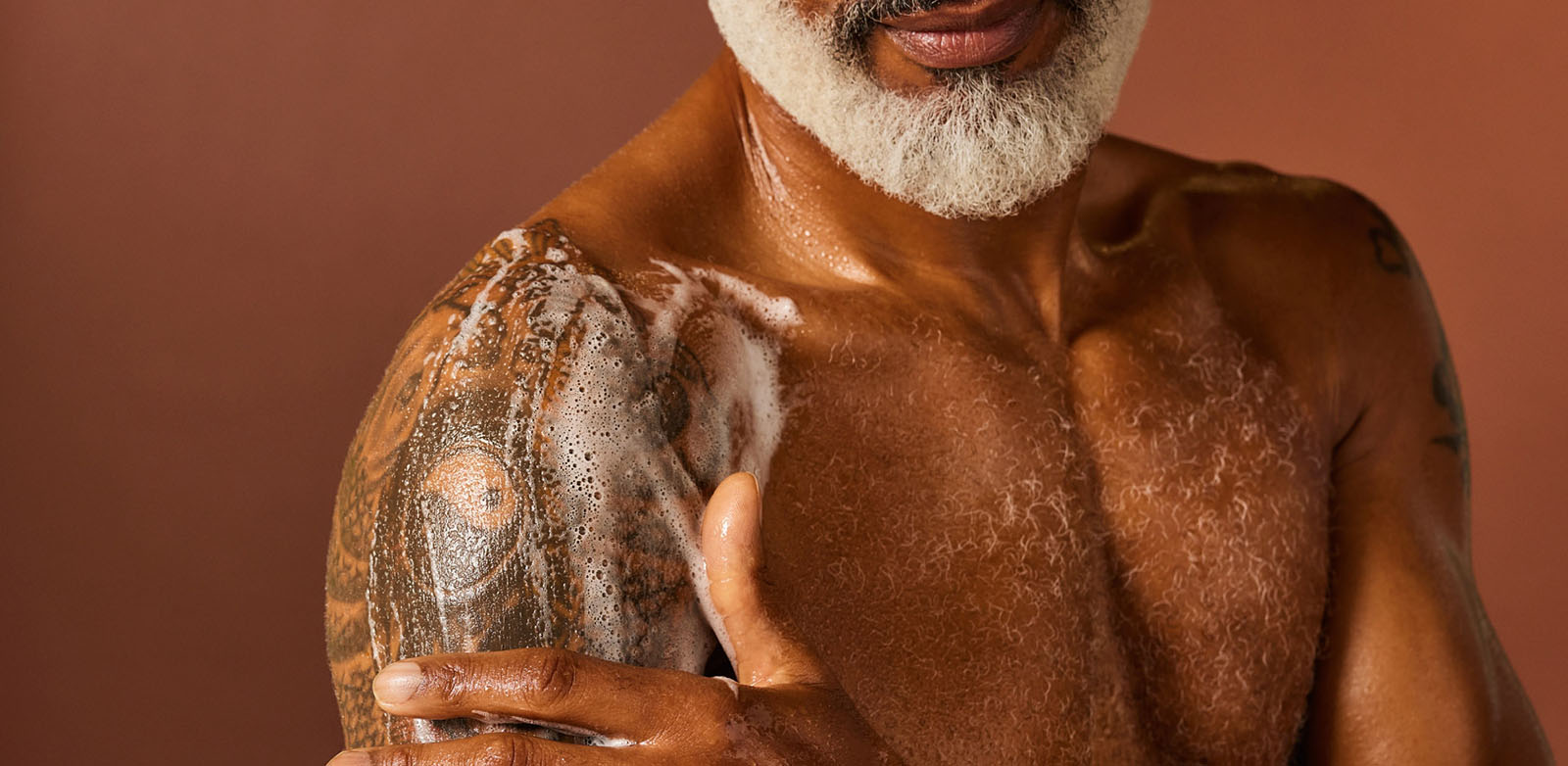
Men skin care at shower

How does showering help to maintain personal hygiene?

Showering every day, either in the morning or in the evening, is the best way to maintain your personal hygiene. Showering helps to remove dirt, sweat and bacteria from your skin, which will keep your skin looking and feeling healthy. Keeping your skin clean can also help to prevent acne breakouts, clogged pores and can even help to prevent infections in any cuts or scrapes you may have. Showering in the morning can be a great energy booster, while an evening shower is a good way to destress at the end of a long day.


5 personal hygiene practices: how to shower properly

It may be something you do every day, but many people don’t understand how to shower properly. Emerge from your shower with soft, smooth and glowing skin by following these simple personal hygiene tips for showering:


1. Check the water temperature

Before you step into the shower, let the water run for a moment or two to ensure the temperature is right. You should aim for a lukewarm temperature, as hot water can dry out your skin and leave it dry, red and irritated.

2. Avoid bacteria-harbouring cleansing tools

If you like to use a loofah or sponge in the shower, make sure it’s clean. Cleansing tools like this can harbour bacteria, mould and yeast, which can transfer onto your skin. Replace your cleansing tools regularly (at least every month).

3. Wash your face at the sink

Many dermatologists recommend washing your face once you’re out of the shower. Why? Using slightly different water temperatures can be beneficial. Start by working your cleansing product into the skin with warm water – this will open the pores and penetrate the skin. Once you’ve massaged your cleanser into the skin, remove it with cold water to close the pores and stop bacteria from entering.

4. Exfoliate gently once or twice a week

A gentle exfoliation removes dead skin cells from the surface of your skin and allows the newer skin beneath to show. This makes the skin feel smoother and appear brighter and more glowing. You can do this in the shower with a gentle exfoliating shower gel or scrub. If you also like to use an exfoliating mitt, be sure not to overdo it, as over-scrubbing will leave the skin irritated and stripped of essential oils. Once or twice a week is enough to leave your skin feeling hydrated and radiant.

5. Wash your body with suitable products

To keep your skin in tip-top condition, choose a shower cream, gel or soap that is suitable for your skin type. Sanex Expert Skin Health Hypoallergenic Shower Gel is specifically developed for sensitive skin and can be used by the whole family. If your skin is on the drier side, try Sanex Dermo Moisturising Shower Gel to maintain hydration levels, or Sanex Expert Skin Health + Micellar Revitalising Shower Gel to remove oil and impurities from combination skin. Every Sanex shower gel and cream respects your skin’s natural pH and helps to protect your natural barrier function.


5 Tips for how to smell good

One benefit of maintaining good personal hygiene is that you’ll always smell fresh and clean. But smelling great takes more effort than a spritz of perfume (think of that as the final touch!). Here are some tips on how to smell good that you can use in your daily routine:


Maintain a regular shower routine

Showering daily is the basis of maintaining good personal hygiene and smelling good. Use your favourite shower gel or body wash to cleanse your body from head to toe, washing away the dirt, oil and bacteria that can form on the surface of your skin throughout the day. A fruity or floral shampoo and conditioner will also keep your hair smelling clean. Follow our tips above for the perfect shower routine that your skin will enjoy.

Lock in moisture

If your skin can tolerate scented products, choose a body cream or butter to lock in moisture straight after showering. Look for natural ingredients like shea butter or coconut oil that will nourish and hydrate your skin. If you have sensitive skin, it may be better to stick to unscented products.

Apply a deodorant or antiperspirant

Using an antiperspirant or deodorant after showering is the best way to keep your underarms smelling fresh. Deodorants help to neutralise body odour, while antiperspirants work to actively block sweat from reaching the surface of your skin. Sanex Derma Care Antiperspirant Deodorants are available in both spray and roll-on varieties, with formulas that are hypoallergenic and respect your skin’s natural pH level.

Take care of clothing

Bacteria and body odours often cling to clothing and shoes, so keeping your clothes clean and fresh is a big part of smelling good. Use laundry products, like washing detergent, scent beads and fabric softener, that make your clothes smell great straight from the washing machine. If possible, dry your clothes outside on a washing line for extra-fresh results.

Make good lifestyle choices

Lifestyle habits and how you look after your body can affect your body odour. For example, if you eat a lot of spicy or strong-smelling foods, it can cause you to sweat more, which has an effect on how you smell. Instead, eat plenty of whole foods, including lots of fresh fruit and vegetables, and keep your body hydrated by drinking around 2 litres of water per day.


FAQs

Here are the answers to some commonly asked questions about the importance of personal hygiene:

Why is personal hygiene important?

Good personal hygiene can make you look, feel and smell better, as your body is clean. Importantly, it can also stop the spread of germs and prevent you from getting sick. Showering daily, washing your hands frequently, brushing your teeth and flossing every day and preventing body odour by using deodorant and keeping your clothes clean are all basics of good personal hygiene. 

How to shower properly to maintain good personal hygiene?

A good shower routine involves using water that is warm instead of hot, using clean loofahs, cloths and towels to wash and dry yourself and using a nourishing and hydrating shower gel that is kind to your skin and respects its natural pH level. Moisturising straight after showering will also help to lock in moisture. Showering every day will keep your skin looking and feeling clean and fresh. 

How to smell good?

The best way to make sure you smell good is to follow a good personal hygiene routine every day. Shower daily, wash your hair every few days, keep your clothes clean and use body care products that will help to keep you smelling fresh, like deodorant, body sprays, body lotion and perfume.




Products

Shop the solution


LATEST ARTICLES

If you're interested in learning more