What is Good for Dry Skin?
Dry skin is actually very common and most of us suffer from it at some point. It can be caused by any number of things, from environmental factors to issues such as ageing, genetics or skin diseases. In most cases, assuming there isn’t some underlying medical condition, a good skin routine, using the right cleansers and moisturisers, will have your skin back to perming at its healthy best. In this article, we’ll offer you some guidance on what to do about dry skin and what is good for dry skin.
Dry skin symptoms
If you have dry skin, you may recognise it by some of these symptoms:
- Dull skin
- Skin that feels tight after you shower
- Flakes on skin
- Flaking skin on face
- Dry itchy skin on face
- Scaly skin on legs
- Itchy, flaky skin
Symptoms of severe dry skin
In some cases, dry skin can be severe and uncomfortable. Rather than being a dry skin type or caused by environmental factors, it could be a medical condition such as atopic eczema, contact dermatitis, psoriasis or ichthyosis. If you suspect you might have one of these, you should see your doctor, who can help you with the best treatments for these conditions.
Understanding the causes of dry skin
Before we look at what to do about dry skin and what is good for dry skin, let’s take a closer look at some of the causes of dry skin.
Hydrated skin allows a healthy microbiome to survive.
Firstly, it’s a good idea to have a basic understanding of how your skin works. There’s a whole lot happening on the surface of your skin that you might not be aware of. There are communities of normal skin microorganisms (bacteria, fungi, mites and viruses, collectively known as your skin microbiome), which exist in a complex relationship with your immune system, helping to keep not only your skin healthy but your body, too. A healthy skin microbiome maintains a balance between good bacteria and bad bacteria. Hydrated skin allows a healthy microbiome to survive.
What to do about dry skin and common causes
- Cold weather and indoor heating: You may notice that your skin tends to dry out in winter. This can be caused by the cold air and lower humidity levels. It’s often made worse by indoor heating. Using a humidifier indoors to replace the lost moisture will help dry skin.
- Sun: Too much direct sunlight can expose your skin to the sun’s long-wave UVA rays. This can cause damage to the deeper layers of the skin. This damage disrupts the skin’s natural barrier function while breaking down important proteins, such as collagen, which help to keep the skin plump and hydrated. You can protect your skin from drying out by covering it with clothing, wearing a hat and always remembering to use sunscreen with a high SPF factor.
- Hot showers and baths: Showering or bathing in water that’s too hot can dehydrate your skin by removing the natural oils and moisture. So, rather use warm water.
- Soaps and shower gels: Some soaps and shower gels contain ingredients that are too harsh or not suited to your skin type. Always check the ingredients contained in any of the products you use and maybe opt for soap for dry skin or shower oil for dry skin.
- Ageing: The process of ageing tends to cause dryer skin as your skin’s moisture-producing oil glands dry up. This causes thinning skin as the fat and collagen also dry up. This is when you need to start taking extra care of your skin by using the right cleansers and moisturisers.
How to take care of dry skin
There are a few ways that you can care for your dry skin to leave it feeling comfortable and respected.
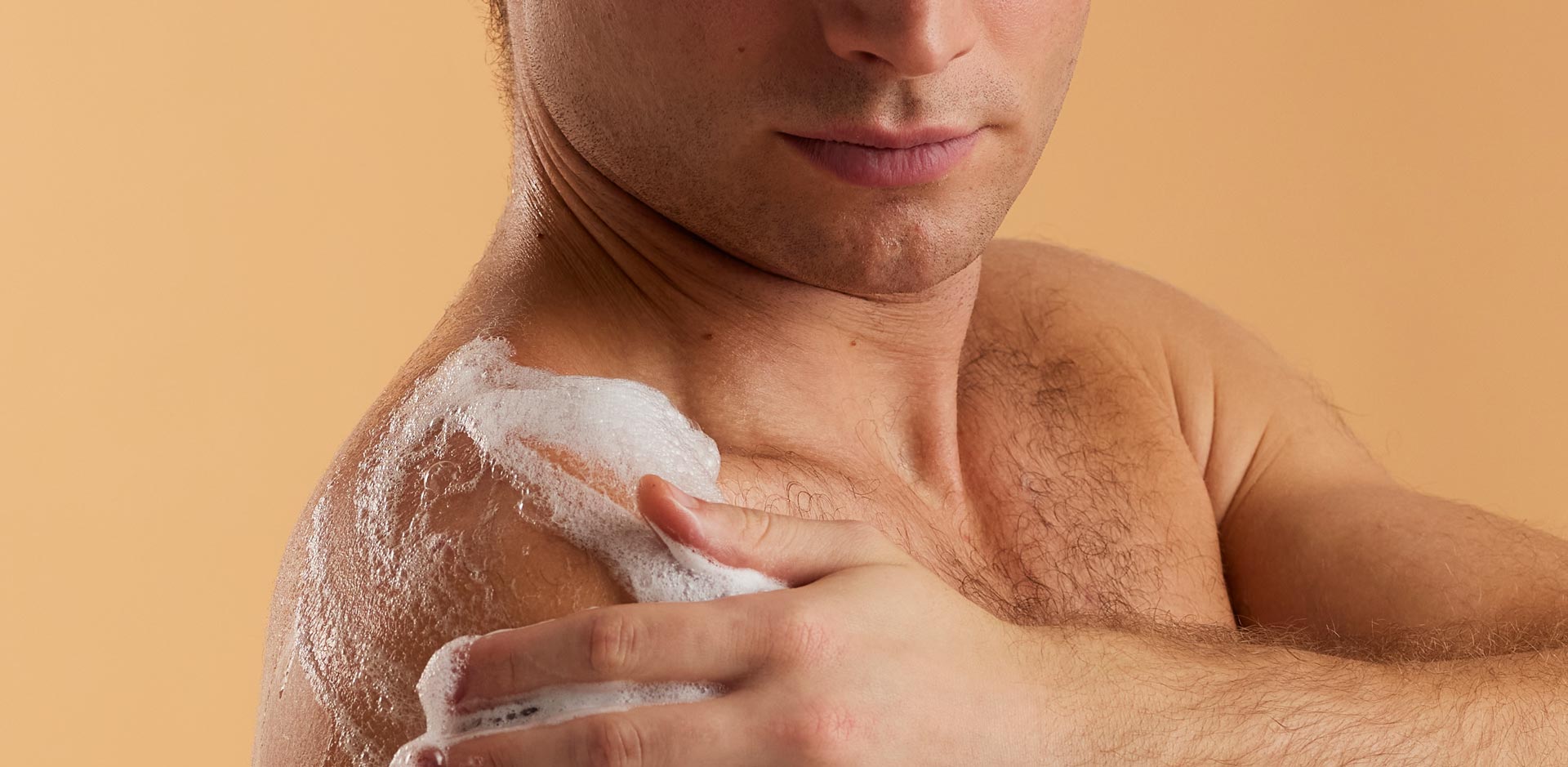
- Use a body wash for dry skin: Skincare starts the second you step into the shower or a bath. Using a specific shower gel for dry skin can make all the difference. We have a range of these that can boost your skin’s natural moisture and help to protect your skin from dryness.
- Warm not hot water: Long hot baths and showers strip oils from your skin, so it’s a better option to turn down the heat and limit your time washing.
- Add moisture to the air: Using a humidifier in your home can add moisture back into the air that may be taken out by central heating or fireplaces, especially in winter. This can help with the causes of dry skin.
What is good for dry skin
Get into the habit of maintaining a daily skincare routine by cleansing and moisturising with products that respect and maintain the way your skin naturally works. Start by washing your body with a shower gel for dry skin like any one of these products in the Sanex range:
Sanex Expert Skin Health Moisturising Shower Gel
This moisturising shower gel gives your skin the hydration boost it needs to feel healthy. With an advanced formula that targets bad bacteria and nourishes the good, you’ll enjoy a more resilient skin microbiome – your natural first layer of protection against external aggressors.
Sanex Zero% Dry Skin Shower Gel
This nourishing gel can help you to minimise your skin dryness with every shower. Dermatologically tested, it has been formulated with natural origin moisturisers, to provide your skin with a welcome daily moisture support, without sulfates, colourants and soap to be kind to skin and reduce the risk of skin irritations.
Sanex Expert Skin Health + Micellar Soothing
This mild shower gel soothes dry skin, helps to keep it healthy and keeps you feeling comfortable throughout the day. It’s been expertly crafted to capture impurities and support your skin’s natural defences. With an advanced formula that nourishes the good bacteria on your skin and targets the bad, you’ll enjoy protected skin that’s more resilient to external aggressors.
Finally, once you’ve showered, finish by using a specially formulated moisturiser for dry skin. Moisturisers tend to be one of the most effective ways of treating most types of dry skin. They do this by softening the skin and preventing cracking by helping to replace your skin's natural oils.
We hope we’ve helped you in discovering more about what to do about dry skin and what is good for dry skin.