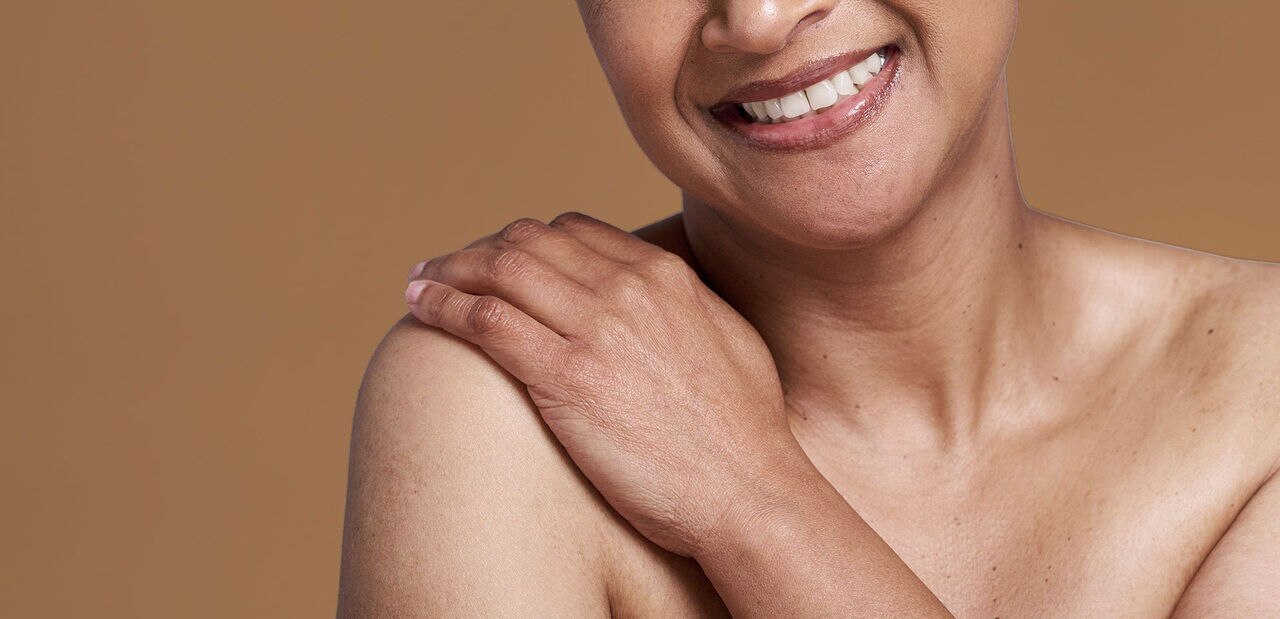
10 Tips for sensitive menopausal skin care
Both menopause and sensitive skin can be challenging to manage. Fortunately, the way you treat your skin and the lifestyle habits you adopt can have a positive impact on your skin health. Here are some sensitive skin care tips and habits to try during menopause.
Choose hydrating products
When it comes to skincare, stick to hydrating ingredients like hyaluronic acid, ceramides, niacinamide and vitamin C. Choose shower products specifically made to care for menopausal skin. Sanex Skin Health+ Menopause Body Wash is made to soothe and reduce tightness in both menopausal and perimenopausal skin.
Avoid irritants
When you’re dealing with menopause and sensitive skin, gentle and nourishing products are key. Look for formulas that are free from harsh ingredients that can irritate sensitive skin more, e.g. fragrance, alcohol, sulphates and colourants. Finding good products for sensitive skin is easier when you know which ingredients to avoid.
Keep showers cool
Take warm showers and baths for around 15 minutes at a time. Longer and hotter showers can dry out and irritate your skin even more.
Post-shower care
Pat your skin dry with a soft towel and apply moisturiser within 3 minutes of showering to help to lock in hydration. Your underarms are another unexpected area that can suffer during this time. Keep them feeling fresh and dry with Sanex Derma Care+ Antiperspirant Roll-on or Spray Deodorant, while protecting against body odour changes, hot flushes and night sweats*.
Protect from the sun
Wear SPF50 on your face (and any part of your skin that’s showing) to protect yourself from harmful UV rays all year-round, even on cloudy days! Wear protective clothing, like long-sleeved tops and gloves, on cold days to prevent your skin from drying out more. If your skin barrier is already compromised, the sun’s UV rays can become even more harmful. Use a broad-spectrum SPF every day, and an antioxidant serum to protect your skin from the sun.
Avoid triggers
Certain lifestyle choices can contribute to collagen loss. Smoking, sunbathing (or using sunbeds) and too much caffeine can all damage your body’s collagen and elastin levels more.
Eat a balanced diet
Prioritise whole foods, fresh fruits and vegetables, especially those that contain healthy fats, Omega-3 and antioxidants, like oily fish, avocados, nuts and berries. Avoid ultra-processed foods, sugar and alcohol as much as possible.
Hydrate, hydrate, hydrate
Drink plenty of water each day to keep your body hydrated from the inside. You should be aiming for around two litres per day. If you’re struggling with your water intake, add some fruit to your bottle, or set a regular alarm to remind you to take a few sips.
Manage stress levels
Try to minimise the stress in your life and prioritise good quality sleep. Try to spend time exercising; even a walk outdoors can be beneficial.
Keep a note of changes
If you plan on speaking to a doctor or dermatologist, keep a note of any menopausal skin changes and when they happen, along with any potential triggers you suspect.
When to seek advice for menopause and sensitive skin
If menopausal skin changes are having an impact on your daily life or you have any persistent rashes or lumps, speak to your doctor. They may suggest starting hormone replacement therapy (HRT) to manage your menopause symptoms if you’re a suitable candidate.